Oxfordshire pulls in visitors for its world-famous university city, its sweeping Cotswolds villages, and its historic country estates - and where you stay shapes how much of it you actually get to experience. Choosing a centrally located hotel here means different things depending on whether you're based in Oxford city or out in the Cotswold market towns. This guide breaks down the four best central hotels in Oxfordshire, covering urban boutique stays in Oxford and characterful countryside inns within reach of Chipping Norton and Burford.
What It's Like Staying in Oxfordshire
Oxfordshire divides neatly into two distinct stay experiences: the dense, walkable core of Oxford city - where the University of Oxford's 38 colleges dominate the architecture and foot traffic peaks heavily on weekends - and the quieter Cotswolds belt to the west, where villages like Burford and Chipping Norton offer slower rhythms and far less competition for tables and parking. Transport in Oxford city is deliberate; the centre is heavily pedestrianised, making a central hotel location genuinely valuable for cutting out bus dependency. The county draws a mix of academic visitors, heritage tourists, and weekend short-breakers from London, which is around 90 minutes away by train, meaning Friday-to-Sunday periods fill up fast across the whole region.
Pros:
Oxford city centre is compact enough to walk between major colleges, museums, and restaurants without needing transport
Cotswold-based hotels offer free parking as standard, which Oxford city properties rarely can
The region is viable year-round, with indoor attractions (Bodleian Library, Blenheim Palace) anchoring off-season visits
Cons:
Oxford city centre parking is severely limited and expensive - driving guests face real friction
Weekend crowds around the High Street and Radcliffe Camera can make simple navigation slow
Cotswold village hotels require a car to reach major Oxford attractions efficiently
Why Choose Central Hotels in Oxfordshire
Central hotels in Oxfordshire command a genuine practical premium - especially in Oxford city, where being within a 15-minute walk of the historic core eliminates the need for park-and-ride buses or expensive taxis after an evening out. In the Cotswolds, 'central' takes on a different meaning: a well-placed inn in a village like Burford or Ascott-under-Wychwood puts guests within a short drive of both Chipping Norton's dining scene and the broader Cotswold walking routes, without the congestion of the city. Boutique central properties in Oxford typically charge a premium of around 30% over budget chain hotels on the outskirts, but that gap narrows considerably when you factor in transport costs and time. Room sizes in centrally located Oxford hotels tend toward the compact end, while Cotswold inns offer more generous layouts, often with four-poster beds and freestanding baths, for comparable or lower rates.
Pros:
Walking access to Oxford's colleges, markets, and restaurants without transport reliance
Cotswold central inns frequently include free parking and breakfast - costs that add up fast in city stays
Boutique positioning means more individually designed rooms versus chain-hotel standardisation
Cons:
City-centre boutique hotels often have limited or paid-only parking - a significant issue for driving visitors
Smaller room footprints are common in Oxford's historic buildings due to architectural constraints
High demand on event weekends (University graduations, Blenheim events) means availability drops sharply without advance booking
Practical Booking & Area Strategy for Oxfordshire
In Oxford city, hotels on or near the Abingdon Road and Woodstock Road corridors offer the best balance of walkability and relative quiet - you're within 15 minutes on foot of Christ Church and the Bodleian, but away from the loudest tourist zones around Cornmarket Street. Oxford Rail Station connects directly to London Paddington in around 55 minutes, making rail-access hotels near the Botley Road end of the centre particularly well-suited to weekend visitors without cars. Burford and the Cotswold market towns west of Oxford are best accessed by car; they sit around 30 kilometres from Oxford city and offer a fundamentally different pace. For Oxfordshire broadly, the key attractions driving most hotel searches are Blenheim Palace (a UNESCO World Heritage Site near Woodstock), the University of Oxford's college circuit, the Ashmolean Museum, and the Cotswold villages along the A40 corridor. Book at least 6 weeks ahead for summer weekends and University open days, when the entire central Oxford stock can sell out across all price points.
Best Value Stays
These properties offer strong central positioning and well-rounded facilities at rates that reflect their market towns or accessible residential locations, making them the most practical starting point for cost-aware visitors to Oxfordshire.
-
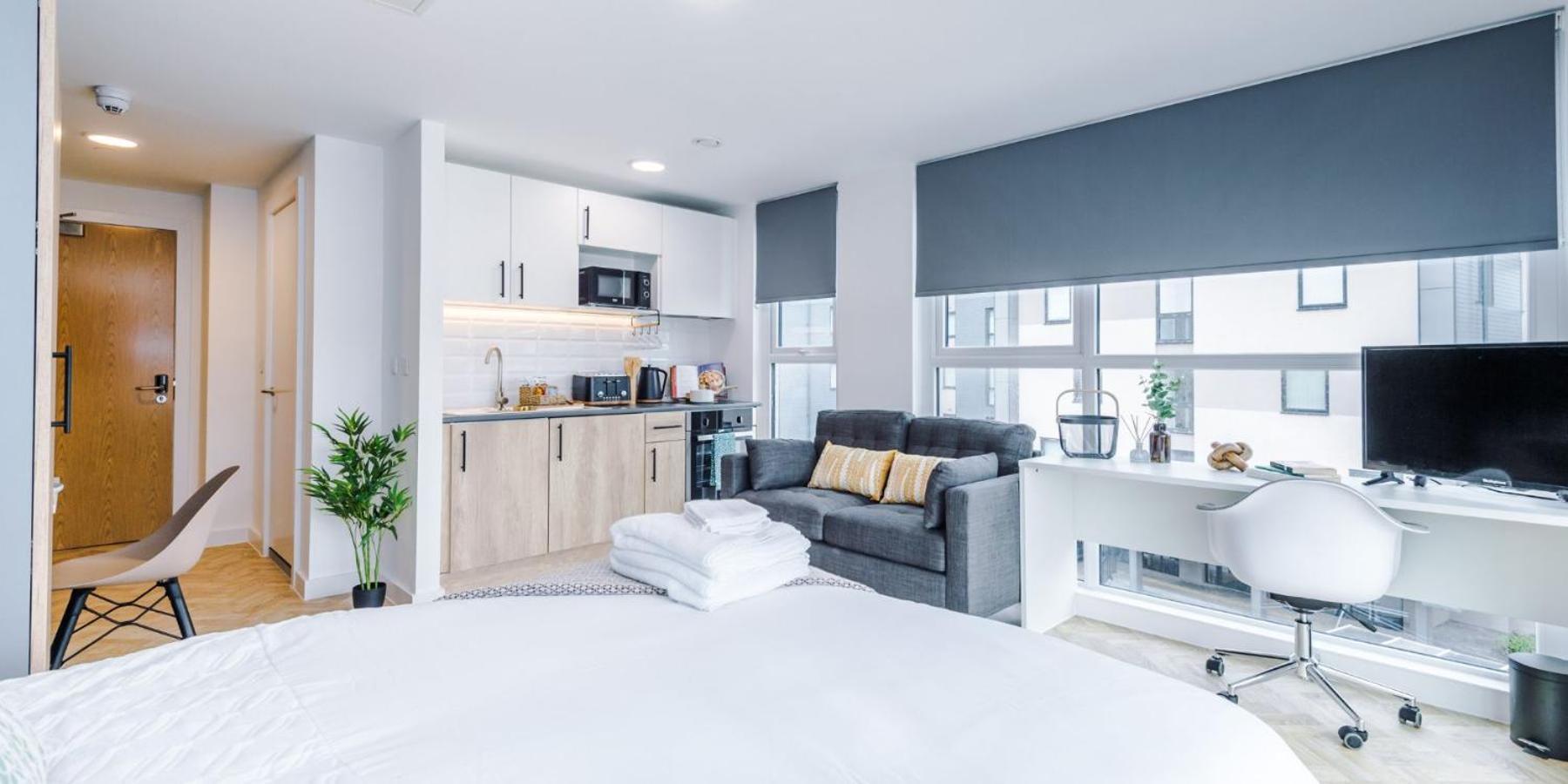
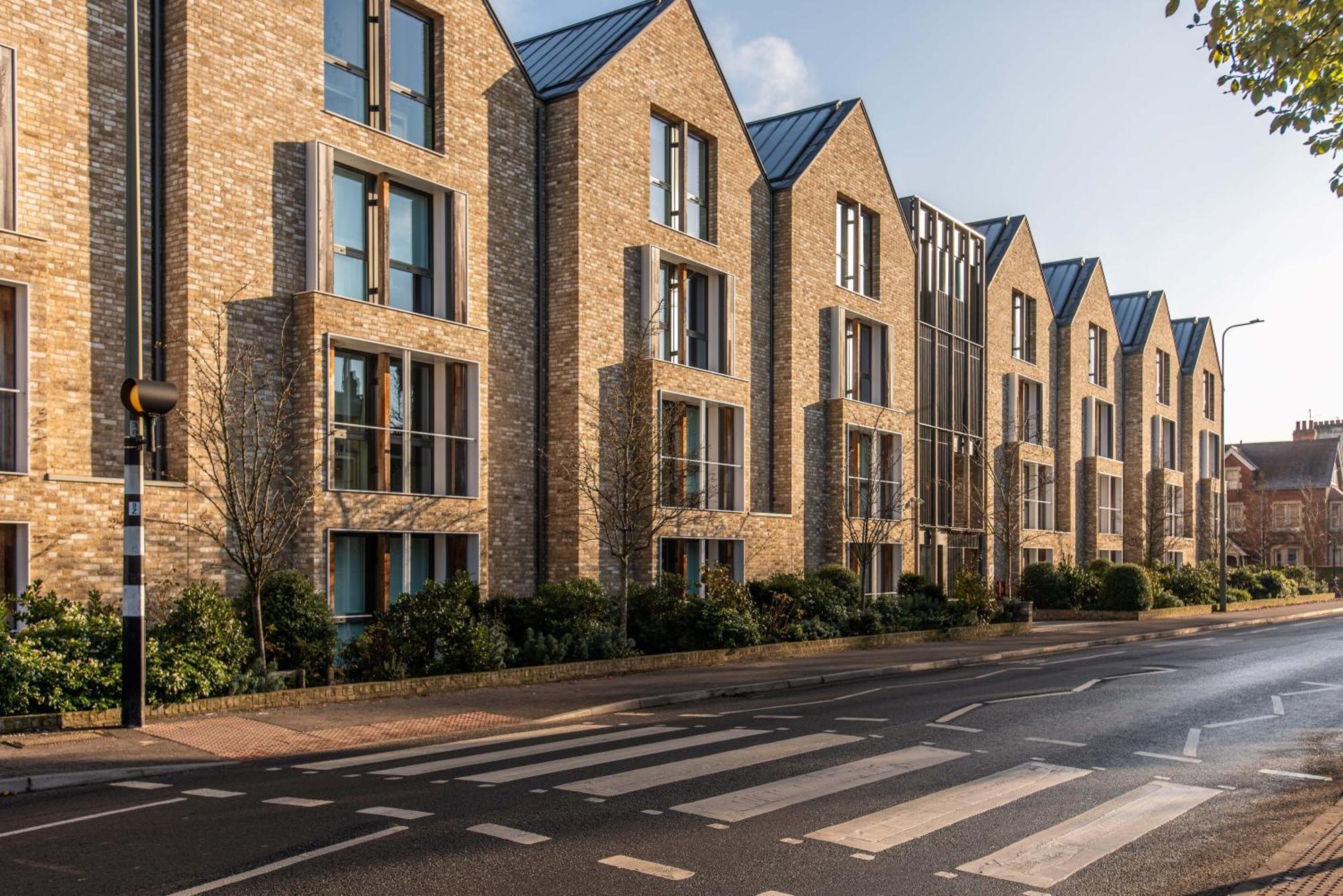
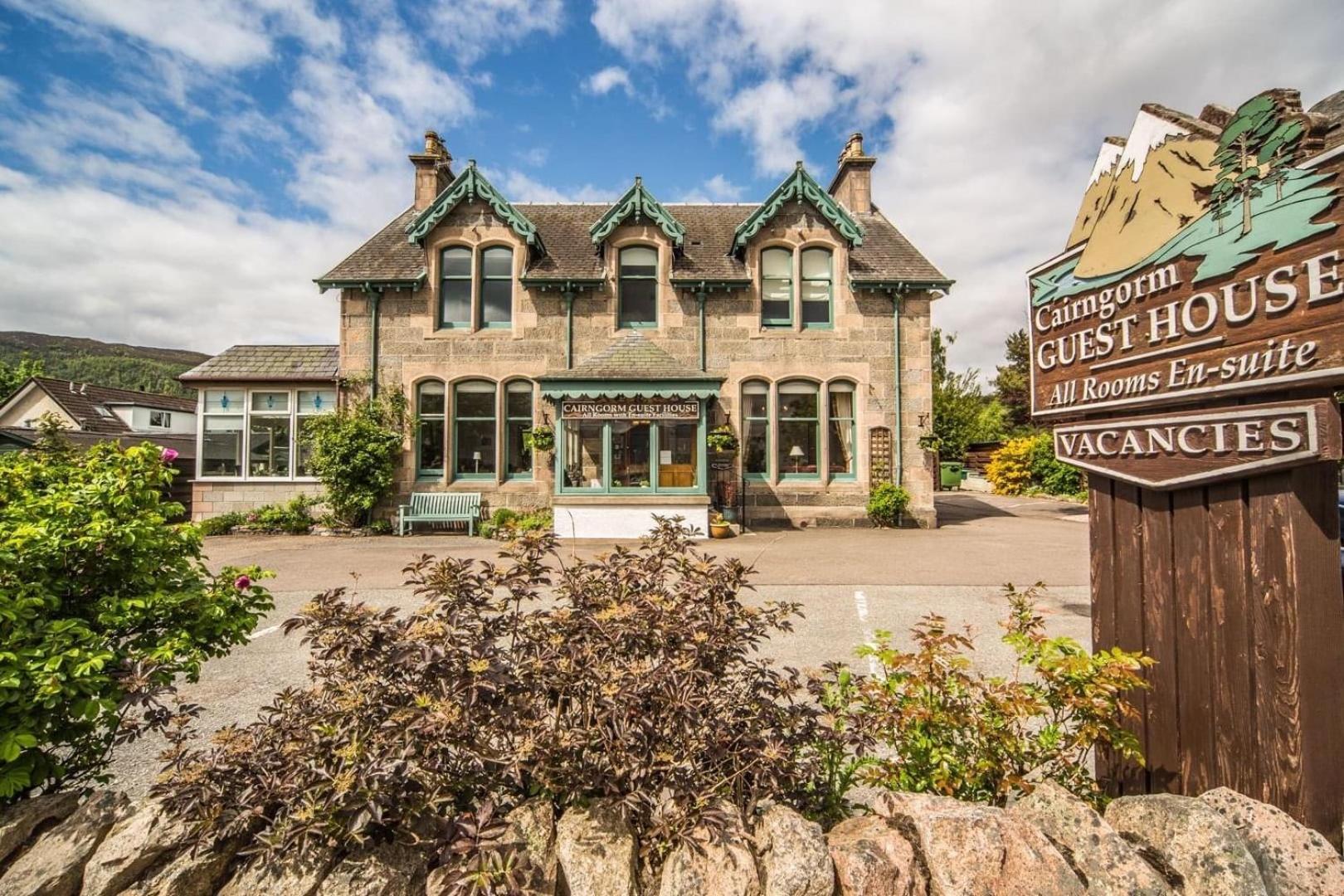
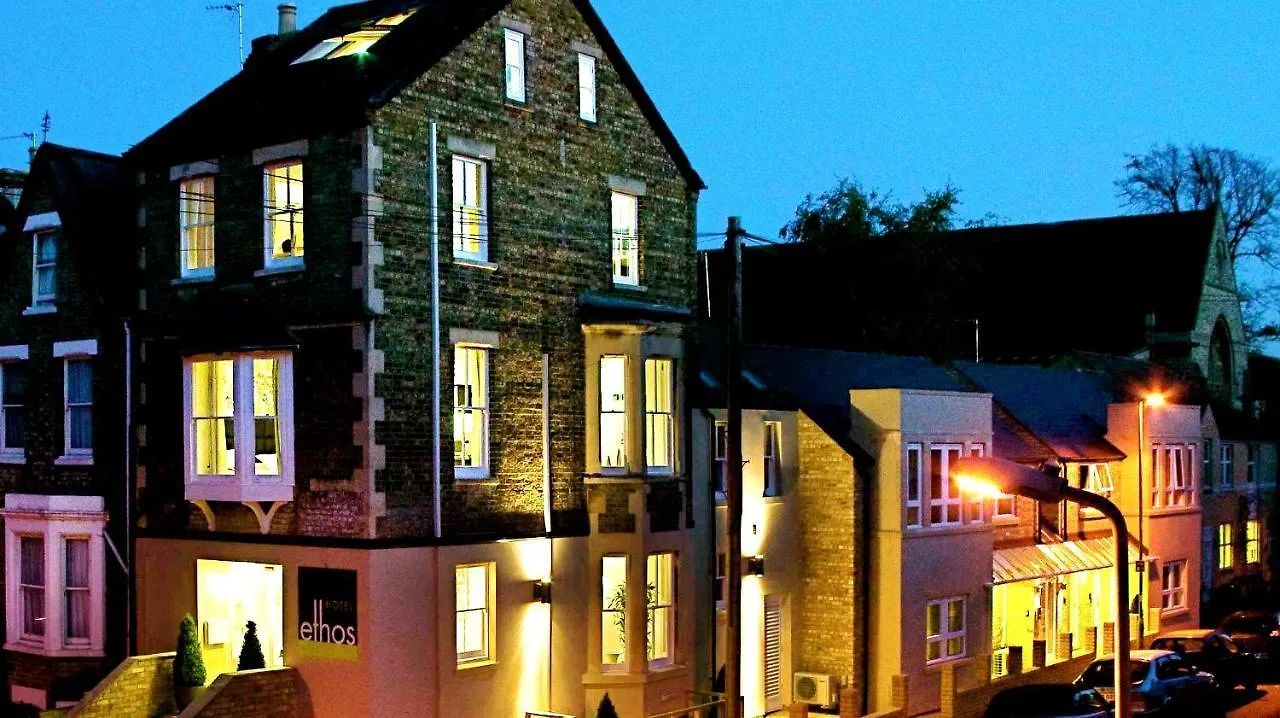
1. Ethos Hotel - Oxford City
Show on map


 Check-infrom 16:00 until 22:00Check-outfrom 06:00 until 10:00
Just a few rooms left at the best rate!
from£ 83
-
2. The Royal Oak Burford
Show on map


 Check-infrom 12:00 until 22:00Check-outfrom 06:00 until 10:00
Just a few rooms left at the best rate!
from£ 82
Best Premium Stays
These properties deliver a more elevated experience - in terms of both location precision and room quality - for visitors who want Oxford city within walking distance or a Cotswold inn with a distinctly curated atmosphere.
-
3. Old Parsonage Hotel
Show on map


 Check-infrom 15:00 until 23:59Check-outfrom 07:00 until 11:00
Hurry – almost gone at this price!
from£ 234
-
4. The Wychwood Inn
Show on map


 Check-infrom 15:00 until 22:00Check-outfrom 08:00 until 11:00
Rooms filling fast – secure the best rate!
from£ 191
Smart Travel & Timing Advice for Oxfordshire
The busiest periods across Oxfordshire run from late May through early September, driven by summer tourism, University of Oxford graduation ceremonies in June, and the Blenheim Palace events calendar which draws large crowds from late spring onward. Hotel rates in Oxford city can spike by around 40% on graduation weekends compared to equivalent midweek stays, and availability across central properties often closes out weeks in advance for those dates. The quietest and most affordable window is January through early March, when visitor numbers drop sharply and the city's colleges, museums, and restaurants remain fully operational without weekend crowds. For Cotswold-based stays, autumn (September-November) is arguably the strongest season - walking conditions are excellent, the harvest and food festival circuit is active around Chipping Norton, and room rates are more stable than peak summer. A minimum of 2 nights is practical for Oxford city; the college circuit, Ashmolean Museum, Covered Market, and Bodleian Library tours each warrant time, and rushing them into a single day means missing the evening atmosphere that defines the city. Burford and Cotswold village stays are best approached as a 2-to-3-night extension to a wider Oxfordshire itinerary rather than a standalone short break, unless the primary goal is walking, cycling, or local food.